Center Certification & Testing International

PAHs Introduction
PAHS refers to a class of organic compounds with two or more benzenes. Polycyclic aromatic hydrocarbons are hydrocarbons containing more than two benzene rings in their molecules, including more than 150 compounds such as naphthalene, anthracene, phenanthrene, and pyrene. Some polycyclic aromatic hydrocarbons also contain nitrogen, sulfur, and cyclopentane. The polycyclic aromatic hydrocarbons with normal winds have carcinogenic polycyclic aromatic hydrocarbons and are mostly four- to six-ring fused ring compounds. The International Cancer Research Center (IARC) (1976) lists 94 compounds that are carcinogenic to laboratory animals. 15 of them belong to polycyclic aromatic hydrocarbons. Because benzo[a]pyrene is the first environmental chemical carcinogen to be discovered, and its carcinogenicity is very strong, benzo(a)pyrene is often used as the representative of polycyclic aromatic hydrocarbons. 1%-20% of all carcinogenic polycyclic aromatic hydrocarbons.
The main hazards of PAHs to the human body are the respiratory tract and skin. People have been exposed to the environment of polycyclic aromatic hydrocarbons for a long time, which can cause acute or chronic injuries. Common symptoms include solar dermatitis, acne-type dermatitis, folliculitis, and verrucous organisms.
Related legislation
So far, various countries and regions have determined through written laws or decrees: Appendix 17 of REACH Regulation; German German: GS certification, LFGB; US US: EPA; China: GB, GB/T, GB/Z.
EU
On December 7, 2013, (EU) No1272/2013 was issued, amending the restrictions on PAHs in REACH Annex XVII, and expanding the control of PAHs (Bap, Bep, BaA, CHR, BbFA, BjFA, BkFA, DBAhA) to consumer products This requirement will take effect on December 27, 2015.
Germany
The German GS mark mandatory control of PAHs began on April 1, 2008. The German Technical Equipment and Consumer Products Committee (AtAV) requires that all products that have passed GS certification must meet the relevant requirements for the 16 PAHs concerned by the US EPA.
In 2011, Germany released ZEK01.4-08, updated the test requirements for PAHs, added control of benzo[j]fluoranthene and benzo[e]pyrene, and increased the PAHs control list from 16 to 18. ZEK01.4-08 will be effective from July 1, 2012. The German Product Safety Commission (AfPs)
On August 4, 2014, a new document on polycyclic aromatic hydrocarbons (PAHs) certified by the GS mark was adopted, and the requirements for PAHs were significantly revised. The new requirements will take effect from July 1, 2015, replacing the current PAHs requirements (ZEK01.4-08).
On December 7, 2013, (EU) No1272/2013 was issued, amending the restrictions on PAHs in REACH Annex XVII, and expanding the control of PAHs (Bap, Bep, BaA, CHR, BbFA, BjFA, BkFA, DBAhA) to consumer products This requirement will take effect on December 27, 2015.
The German GS mark mandatory control of PAHs began on April 1, 2008. The German Technical Equipment and Consumer Products Committee (AtAV) requires that all products that have passed GS certification must meet the relevant requirements for the 16 PAHs concerned by the US EPA.
In 2011, Germany released ZEK01.4-08, updated the test requirements for PAHs, added control of benzo[j]fluoranthene and benzo[e]pyrene, and increased the PAHs control list from 16 to 18. ZEK01.4-08 will be effective from July 1, 2012. The German Product Safety Commission (AfPs)
On August 4, 2014, a new document on polycyclic aromatic hydrocarbons (PAHs) certified by the GS mark was adopted, and the requirements for PAHs were significantly revised. The new requirements will take effect from July 1, 2015, replacing the current PAHs requirements (ZEK01.4-08).
Possible materials for PAHs
PAHs are usually found in charcoal, petrochemical products, drugs, dyes, plastics, rubber, pesticides (artificial), lubricants, rust preventive oils, mold release agents, capacitor electrolytes, insecticides, fungicides, mosquito coils, smoking , Gasoline inhibitor (artificial) and other incompletely combusted organic compounds.
Testing process
1. Consultation-the applicant provides product information pictures and descriptions
2. Quotation --- Based on the information provided by the applicant, the technical engineer will make an assessment, determine the items to be tested, and quote to the applicant
3. The applicant accepts the quotation
4. The applicant fills in the test application form and submits it together with the test samples
5. Sample test-the test will be conducted in accordance with applicable standards
6. Laboratory test report
7. The laboratory issues a certificate of compliance with the PAHS test
The main components of PAHs
The eighteen main compounds of polycyclic aromatic hydrocarbons (PAHS) are: naphthalene, acenaphthene, acenaphthene, fluorene, phenanthrene, anthracene, fluoranthene, pyrene, benzo (a) anthracene, quinone, benzo (b) fluoranthene, Benzo (k) fluoranthene, benzo (a) pyrene, indeno (1,2,3-cd) pyrene, dibenzo (a, h) anthracene and benzo (g, h, i) perylene, 1 -Methylnaphthalene, 2-methylnaphthalene.
The currently identified 16 common substances of PAHS include:
1. Naphthalene
2. Acenaphthylene Acenaphthylene
3. Acenaphthene acenaphthene
4. Fluorene fluorene
5. Phenanthrene
6. Anthracene
7. Fluoranthene
8. Pyrene Pyrene
9, Benzo (a) anthracene benzo (a) anthracene
10. Chrysene lettuce
11. Benzo (b) fluoranthene
12, Benzo (k) fluoranthene benzo (k) fluoranthene
13. Benzo(a)pyrene (a)pyrene
14, Indeno (1,2,3-cd) pyrene indene (1,2,3-cd) pyrene
15. Dibenzo(a,h)anthracene Dibenzo(a,h)anthracene
16. Benzo (g, hi) perylene benzo (ghi, benzyl)
Our advantage
1. With a professional qualification and experienced expert technical team, we can provide you with professional consultation and services.
2. Have advanced laboratory equipment to ensure the accuracy and reliability of test data.
3. As a third-party testing and certification organization trusted by customers worldwide, we are your certificate of quality.

Label printers entering the Brazilian market, ANATEL certification is an essential passport! It is the recognition of the Brazilian Telecommunications Authority for the safety and compliance of electronic products, without which products cannot be legally sold.
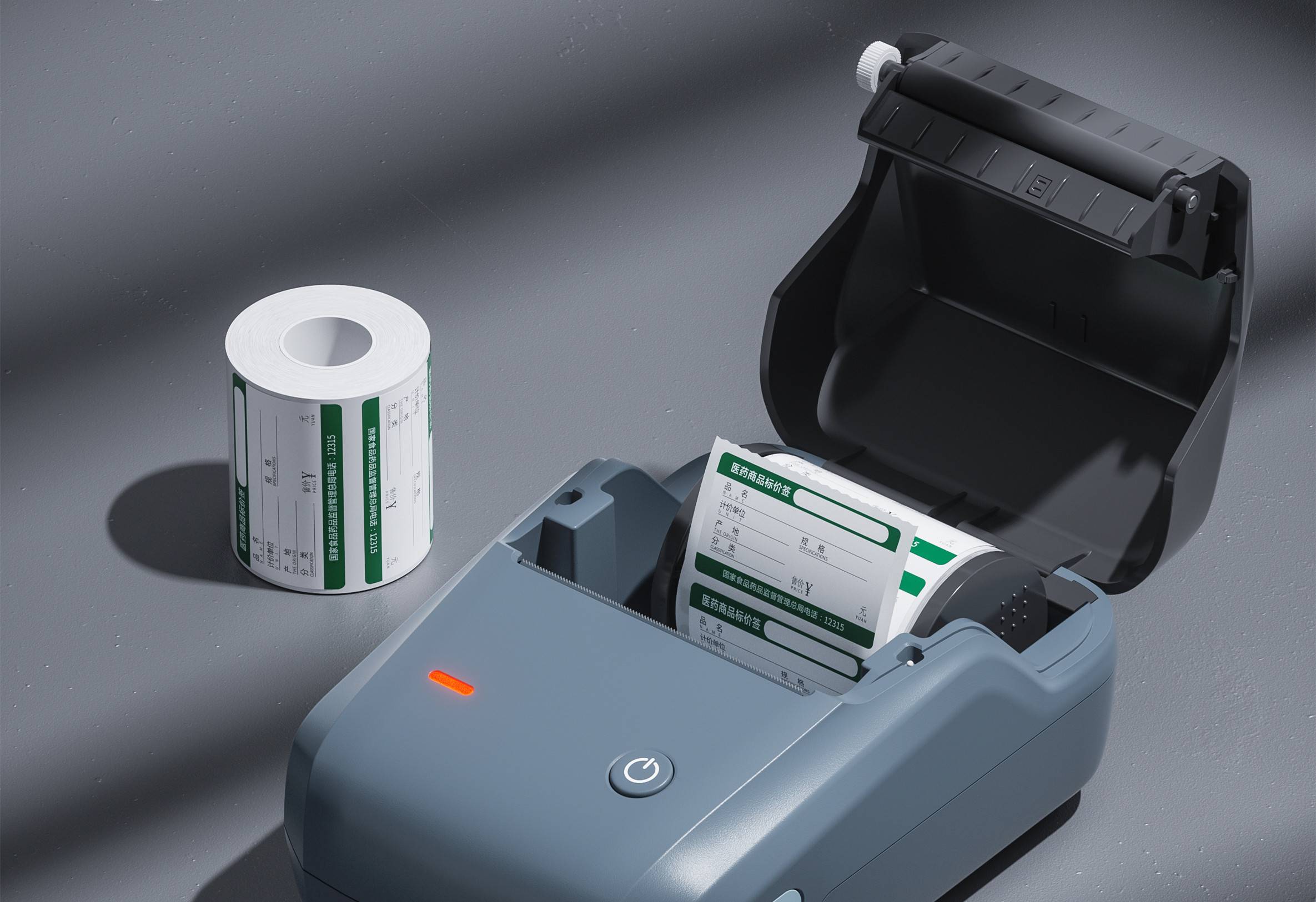
SRRC certification is not only a guarantee of product compliance, but also a key to opening up the market.
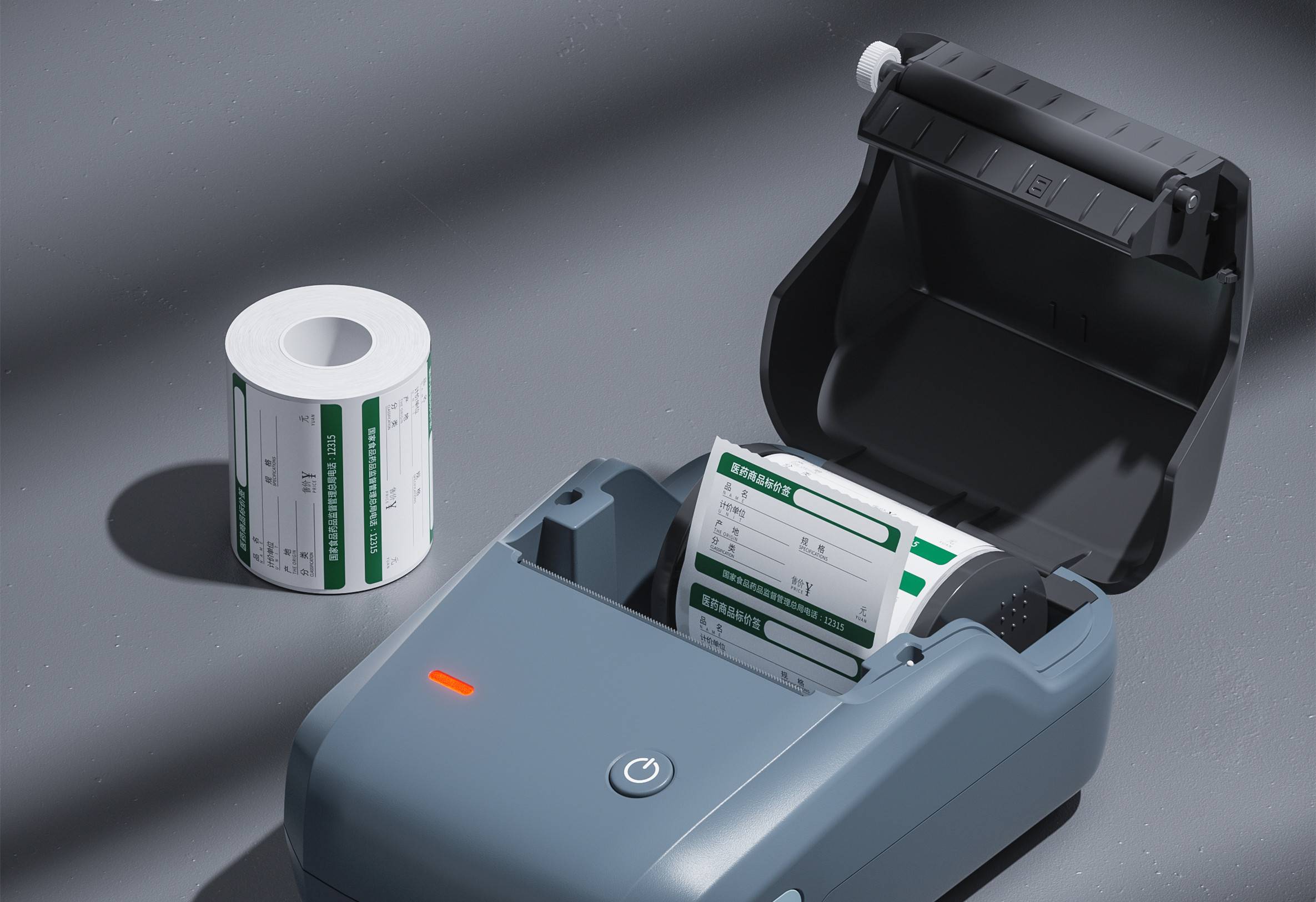
FCC ID certification is a mandatory certification for electronic products by the Federal Communications Commission (FCC) in the United States, and it is essential for label printers to obtain this certification.
PAHS refers to a class of organic compounds with two or more benzenes. Polycyclic aromatic hydrocarbons are hydrocarbons containing more than two benzene rings in their molecules, including more than 150 compounds such as naphthalene, anthracene, phenanthrene, and pyrene. Some polycyclic aromatic hydrocarbons also contain nitrogen, sulfur, and cyclopentane.
Get a quote

Tik Tok